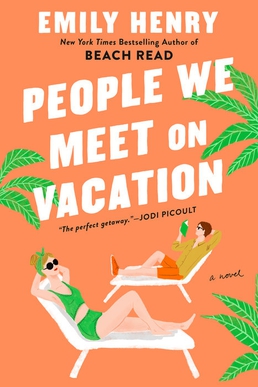
This is my second Emily Henry book, the first being Great Big Beautiful Life, and what she does exceptionally well, from what I have noticed, is dialogue. In People We Meet on Vacation, the conversations between Poppy and Alex feel natural and emotionally specific in a way that makes their relationship believable. Their banter is witty without trying too hard, and the slower moments carry just as much weight as the larger emotional beats. As a whole, the book is charming and intentionally paced like a comfort read rather than a sweeping romantic epic.
That said, I am personally not a huge fan of the friends-to-lovers trope. It is one of the trickiest romance setups to execute well, largely because it often makes the protagonists come across as unfair or emotionally careless toward the other people they date along the way. When two characters are clearly in love but continue forming relationships with others, it can create discomfort that pulls you out of the romance rather than deepening it.
Emily Henry does a fairly decent job navigating that complexity, especially compared to many other entries in the genre. She acknowledges the emotional messiness instead of pretending it does not exist. Still, there were moments where I could not help but feel bad for the people Poppy and Alex dated while harboring unresolved feelings for each other. I genuinely cringed every time Sarah, Alex’s on-again off-again girlfriend, was mentioned. #juticeforsrah, and honestly justice for whoever else Poppy dated as well, even if I cannot remember their names. I will say that even when handled thoughtfully, that tension does not always sit easily, and I found myself questioning some of their choices. That discomfort, however, feels intentional rather than careless.
One of the things I appreciated most is that Henry resists the urge to wrap the story in a neat fairytale bow. There is no rushed “and now they’re married with a baby” ending, which feels refreshingly honest. The resolution reflects modern relationships more realistically, where emotional commitment does not always need to be validated by marriage or pregnancy to feel meaningful or complete.
However, even with that less traditional ending for the genre, the book has been critiqued as being predictable. To me, that feels like a strange criticism for romance as a genre. A lot of us read romance precisely because of its predictability, for the comfort of knowing where the story is heading, even if we do not know exactly how we will get there. The appeal lies in the emotional journey, not the surprise ending.
Ultimately, People We Meet on Vacation succeeds because of its voice, its emotional honesty, and its refusal to overpromise. It may not reinvent the genre, but it understands what romance readers come to the page for and delivers it with care and charm.




 Take it From here Media
Leave a comment