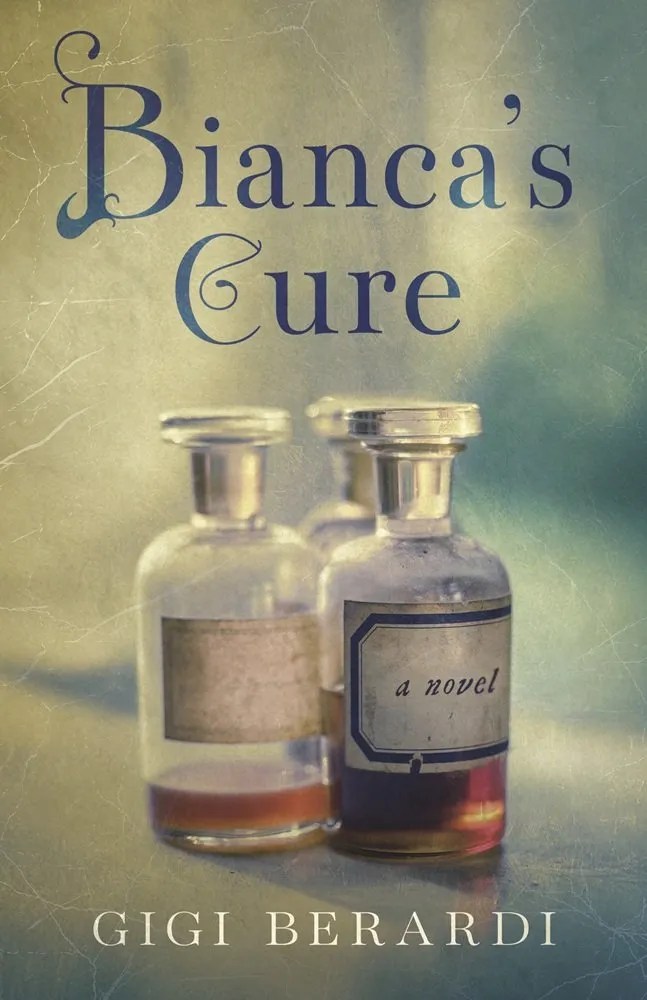
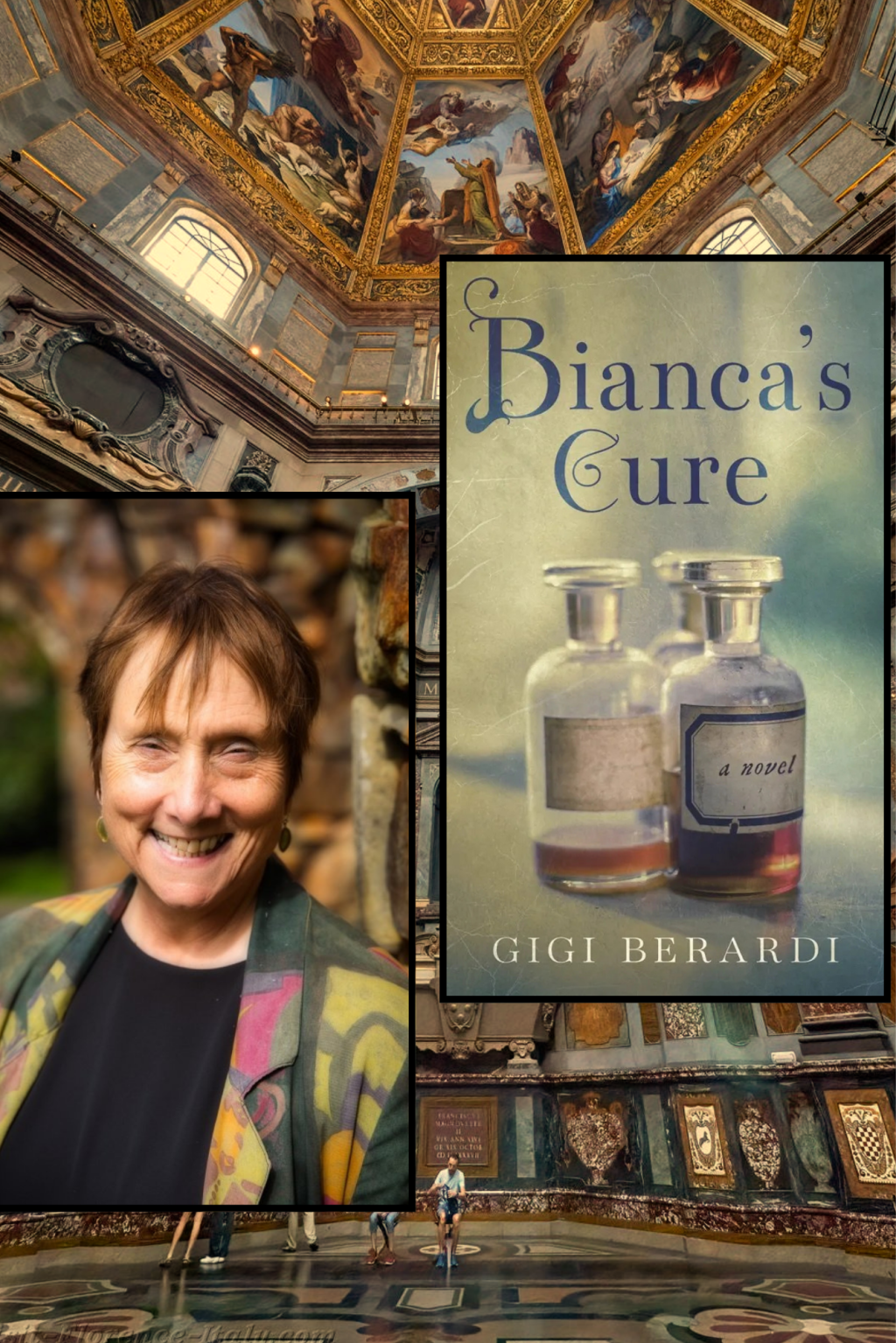
Historical fiction often revisits well-known figures, but Bianca’s Cure by Gigi Berardi does something more ambitious. It asks readers to reconsider a woman whose history may have been misunderstood.
Set in 16th-century Florence, the novel reimagines the life of Bianca Capello, a figure most often remembered in historical accounts as the controversial lover and later wife of Francesco I de’ Medici. In traditional narratives, Bianca appears largely as a symbol of scandal and court intrigue. Berardi instead imagines a different possibility. What if Bianca Capello had been a woman of science?
I enjoyed this book so much because it blends real historical figures, Renaissance politics, and early scientific curiosity into a story that feels both immersive and thought-provoking. In Berardi’s version of events, Bianca becomes driven by a powerful goal: finding a cure for malaria, one of the most devastating diseases of the time. This premise allows the novel to explore both the intellectual culture of the Medici court and the limited roles available to women in Renaissance Europe.
What makes Bianca’s Cure particularly engaging is its portrayal of ambition. Bianca is not written as a perfect heroine. She is strategic, focused, and sometimes ruthless in pursuit of her goals. That complexity makes her feel human rather than mythic and makes her incredibly easy to connect with as a reader.
Berardi’s research is evident throughout the novel. Details about Medici laboratories, alchemical experiments, and the political dynamics of Florence give the story a strong historical foundation while still allowing space for imaginative storytelling.
At its core, the book participates in a growing literary movement that reexamines historical women who were reduced to gossip or legend. By imagining Bianca Capello as a thinker rather than simply a scandalous figure, Berardi invites readers to question how many other women’s stories history may have simplified.
Bianca’s Cure is both an engaging historical novel and a thoughtful exploration of how we remember the past.
If you want to hear more about the inspiration behind the book and the history of Bianca Capello, you can check out my full interview with Gigi Berardi on the Thanks, I’ll Take It From Here podcast, anywhere you get your podcasts.

 takeitfromheremedia.com
Leave a comment